How to Change Tax Residence from Spain to Andorra
In recent years, the allure of moving one’s tax residence from Spain to Andorra has captivated many individuals seeking financial relief and a better quality of life. With its favorable tax regime and stunning natural landscapes, Andorra has positioned itself as an attractive destination for those looking to optimize their fiscal responsibilities. In 2026, the […]
In recent years, the allure of moving one’s tax residence from Spain to Andorra has captivated many individuals seeking financial relief and a better quality of life. With its favorable tax regime and stunning natural landscapes, Andorra has positioned itself as an attractive destination for those looking to optimize their fiscal responsibilities. In 2026, the personal income tax rate in Andorra stands at a mere 10%, significantly lower than the rates typically found in Spain, making it an appealing choice for high earners and entrepreneurs alike.
However, the process of changing tax residence is not as simple as packing your bags and relocating. It involves understanding the legal implications, meeting specific requirements, and ensuring compliance with both Spanish and Andorran tax laws. This transition can lead to substantial savings, but it’s crucial to navigate the process carefully to avoid any pitfalls.
In this guide, we’ll explore everything you need to know about shifting your tax residence from Spain to Andorra. From the advantages of Andorran residency to the necessary steps for a smooth transition, we aim to provide you with a comprehensive overview. Whether you’re an entrepreneur looking to establish a business or an individual seeking a more favorable tax environment, understanding the nuances of this relocation can empower you to make informed decisions about your financial future.
Join us as we delve into the specifics of tax residency, the requirements for establishing residence in Andorra, and the benefits that come with this strategic move.
“`html
Understanding the Benefits of Andorran Tax Residency
Overview of Andorra’s Tax System
Andorra is increasingly recognized for its favorable tax regime, making it an attractive destination for individuals seeking to optimize their tax liabilities. As of 2026, the personal income tax (IRPF) rate in Andorra is set at a competitive 10%, significantly lower than many other European countries. Additionally, the Goods and Services Tax (IGI) is only 4.5%, which is also lower than the VAT rates found in countries like Spain. These rates position Andorra as a tax-efficient option for expatriates and investors alike.
Comparative Benefits Over Spain
One of the primary reasons individuals consider changing their tax residency to Andorra is the stark contrast with the Spanish tax system. In Spain, the personal income tax rate can exceed 47% depending on the region, which is over four times higher than that of Andorra. Furthermore, the complexity of Spain’s tax regulations often poses challenges for taxpayers. By relocating to Andorra, residents can benefit from simplified tax compliance, lower rates, and an overall more attractive fiscal environment.
- Reduced tax burden: With a maximum IRPF of 10%, residents enjoy substantial savings.
- Simple tax regulations: Andorra’s straightforward tax laws make compliance easier.
- No wealth tax: Unlike Spain, Andorra does not impose a wealth tax.
Lifestyle Advantages in Andorra
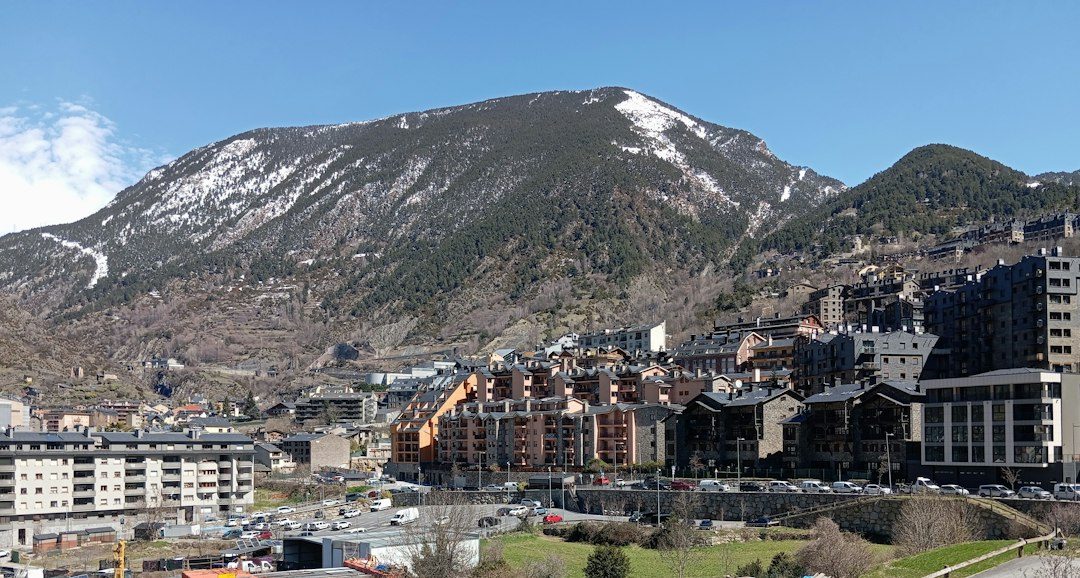
Beyond the financial benefits, Andorra offers a high quality of life. Nestled in the Pyrenees, the country boasts stunning natural landscapes and a range of outdoor activities, from skiing in the winter to hiking in the summer. The capital, Andorra la Vella, is known for its vibrant culture, shopping opportunities, and excellent healthcare services. Furthermore, the safety and low crime rates enhance the overall living experience. The combination of a favorable tax environment and an enviable lifestyle makes Andorra a desirable destination for individuals considering a change in tax residency.
Legal Requirements for Changing Tax Residency
Minimum Stay Requirements in Andorra
To qualify for tax residency in Andorra, individuals must meet specific minimum stay requirements. As of 2026, the regulation stipulates that one must reside in the country for at least 183 days per year. This presence is essential to establish tax residency and benefit from the attractive tax regime that Andorra offers. Additionally, it is advisable to demonstrate a genuine connection to the country, which can further solidify your residency status.
Documentation Needed for Residency
When applying for Andorran residency, certain documentation is required. This includes:
- Valid passport: A copy of your passport is needed for identification.
- Proof of financial means: You must demonstrate the ability to support yourself without relying on public funds, which in 2026 requires a minimum investment of 400.000€ in passive investments.
- Health insurance: Proof of health insurance coverage is mandatory.
- Criminal record check: A certificate from your home country proving that you have no criminal record.
Compliance with Spanish Exit Tax Regulations
When changing tax residency from Spain to Andorra, it is crucial to comply with the Spanish exit tax regulations. The exit tax applies to individuals who have been tax residents in Spain for the last ten years and will need to declare any unrealized capital gains on assets worth over 500.000€. Therefore, it is advisable to work with a tax advisor to ensure compliance and avoid any potential issues during the transition.
“`
“`html
Financial Considerations and Investments
When considering establishing your residency in Andorra, it’s crucial to understand the financial implications, particularly the investment requirements mandated by the local government. In 2026, the passive investment requirement stands at 400,000€ (EUR), which must be invested in Andorran real estate or approved financial assets. This investment can serve as a pathway to gaining residency while also providing a potential return on investment through property appreciation or rental income.
In addition to the passive investment, prospective residents must also deposit a 50,000€ (EUR) amount into an Andorran bank account, known as the AFA deposit. This deposit acts as a safeguard and demonstrates your commitment to residing in Andorra. It’s essential to note that this amount is not a fee but rather a security deposit, which can be accessed after you meet the residency requirements.
The impact of these financial commitments on your personal and business finances can be significant. While the initial investment may seem daunting, many individuals find that the low tax rate in Andorra—10% IRPF on personal income and 4.5% IGI on goods and services—offsets these costs. This favorable tax environment makes Andorra an attractive option for high-net-worth individuals and entrepreneurs looking to optimize their financial strategies.
Potential Returns on Investment
- Investing in real estate can yield steady rental income.
- Property values in Andorra have shown resilience and growth over the years.
- The low tax regime enhances the overall profitability of investments.
In conclusion, understanding the financial considerations and investment requirements is vital for anyone looking to establish residency in Andorra. Ensuring that you are well-informed about the financial requirements will help you make confident decisions regarding your move.
Step-by-Step Process to Establish Andorran Residency
Establishing residency in Andorra requires a systematic approach to ensure compliance with local regulations. The process begins with an initial consultation with a residency expert. This step is critical as it provides clarity on the requirements and helps tailor a strategy that best suits your individual situation. Experts at Aparcand can guide you through this initial phase, helping you understand the nuances of Andorran residency.
Once you have a clear understanding of the requirements, the next step involves gathering and submitting necessary documents. This typically includes proof of your passive investment, the AFA deposit confirmation, identification documents, and any additional paperwork required by local authorities. Ensuring that all documents are accurate and complete will expedite the process.
The final phase is finalizing residency with local authorities. After submitting your application, there will be a review period during which local officials assess your documentation. If everything is in order, you will receive your residency approval, which allows you to enjoy the benefits of living in this beautiful principality. It’s advisable to maintain regular communication with your residency expert during this phase to ensure a smooth transition.
In summary, the step-by-step process to establish Andorran residency is straightforward but requires careful attention to detail. Engaging with professionals like those at Aparcand can facilitate a seamless experience as you embark on your new life in Andorra.
“`
“`html
Managing Tax Obligations During the Transition
When transitioning to Andorra, one of the most critical aspects to consider is how to manage your tax obligations effectively. This involves ensuring compliance with both Spanish and Andorran tax laws to avoid any legal repercussions.
Ensuring Compliance with Both Spanish and Andorran Tax Laws
As a resident or business owner in Andorra, you will be subject to Andorran tax regulations. The personal income tax (IRPF) rate is set at a competitive 10%, significantly lower than many other European countries. However, it is essential to ensure that you are also compliant with any Spanish tax obligations, particularly if you maintain assets or income sources in Spain. This dual compliance can be complex, requiring careful planning and, ideally, the assistance of a tax advisor familiar with both jurisdictions.
Handling Double Tax Treaties
Fortunately, Andorra has signed a double taxation agreement (DTA) with Spain. This treaty aims to prevent the same income from being taxed in both countries, which can be a significant relief. Understanding how the DTA applies to your income—including salary, investments, and business profits—is vital. Engaging with a professional who can navigate these complexities will ensure you take full advantage of the agreement and minimize your tax liabilities.
Key Deadlines and Important Dates
Staying informed about key deadlines related to tax filings is crucial. For Andorra, tax returns for the IRPF must be submitted annually, with deadlines typically falling in June. You must also be aware of the deadlines for any declarations related to your Spanish income, as penalties for late submissions can be substantial. Keeping a calendar or setting reminders for these important dates will help you maintain compliance and avoid unnecessary complications.
Adjusting to Life in Andorra
Relocating to Andorra is not just about the financial benefits; it’s also about adapting to a new cultural and social environment. Understanding these changes can help ease your transition.
Cultural and Lifestyle Changes
Andorra offers a unique blend of Catalan, Spanish, and French cultures, which can be exciting for newcomers. The pace of life is generally slower than in major urban centers, with a strong emphasis on outdoor activities, especially skiing and hiking. This lifestyle shift may require some adjustment, particularly if you are used to a bustling metropolitan environment. Engaging with local traditions and festivities can help you feel more integrated into Andorran life.
Finding Accommodation and Local Amenities
When moving to Andorra, finding the right accommodation is essential. The housing market can vary significantly, so consider both long-term rentals and purchasing options, especially with the investment requirement of 400.000€ for passive investment. Local amenities such as supermarkets, healthcare facilities, and schools are generally well-developed, making your adjustment smoother. It’s advisable to explore different parishes, as each offers unique advantages and community vibes.
Integrating into the Andorran Community
Integrating into the Andorran community can be a rewarding experience. Participating in local events, joining clubs, and attending language classes can help you build connections. Andorrans are generally welcoming and open, making it easier to form friendships. Engaging with expatriate groups can also provide support and resources as you adapt to your new life.
“`
“`html
FAQs
What is the minimum stay requirement in Andorra?
The minimum stay requirement for residency in Andorra is 90 days per year. This applies to both passive residents and those with active residency. It’s essential to ensure that you meet this requirement to maintain your residency status.
How does the passive investment work?
To obtain passive residency in Andorra, you need to make a minimum investment of 400.000€ in real estate or other eligible economic activities. This investment is a key requirement that allows you to enjoy the benefits of residency while living in this beautiful country.
What documents are needed for residency?
To apply for residency in Andorra, you will need several documents, including a valid passport, proof of financial means, a clean criminal record certificate, and proof of health insurance. Additional documents may vary depending on your specific residency category.
How are tax obligations managed between the two countries?
Tax obligations for residents in Andorra depend on your country of origin. Andorra has tax treaties with several countries to avoid double taxation. It’s advisable to consult with a tax professional to understand how these treaties may affect your personal tax situation.
What are the lifestyle benefits of living in Andorra?
Living in Andorra offers numerous benefits, including a low tax regime, stunning natural landscapes, a high quality of life, and a safe environment. The country’s small size fosters a close-knit community, making it easy to integrate and enjoy a relaxed lifestyle.
“`
Keywords relacionadas:
👉 tax residence Spain Andorra ·
👉 gestoría Andorra ·
👉 residencia fiscal Andorra ·
👉 crear empresa Andorra ·
👉 impuestos Andorra ·
👉 vivir en Andorra
¿Necesitas asesoramiento personalizado?
Contacta con Aparcand y resolvemos todas tus dudas sobre Andorra.
Este contenido es informativo y no sustituye el asesoramiento individual. Las cifras, requisitos y procedimientos pueden cambiar: contrástalos siempre con la normativa vigente.